“A computer would deserve to be called intelligent if it could deceive a human into believing that it was human.” - Alan Turing
The Father of Computer and Computer Science

The Father of Computer
Charles Babbage
•
Invented Difference Engine in 1822
•
Used tapes for storage
•
Invented to make accounting easier
The Father of Computer Science
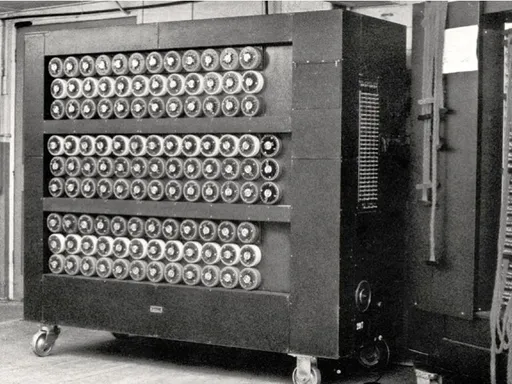
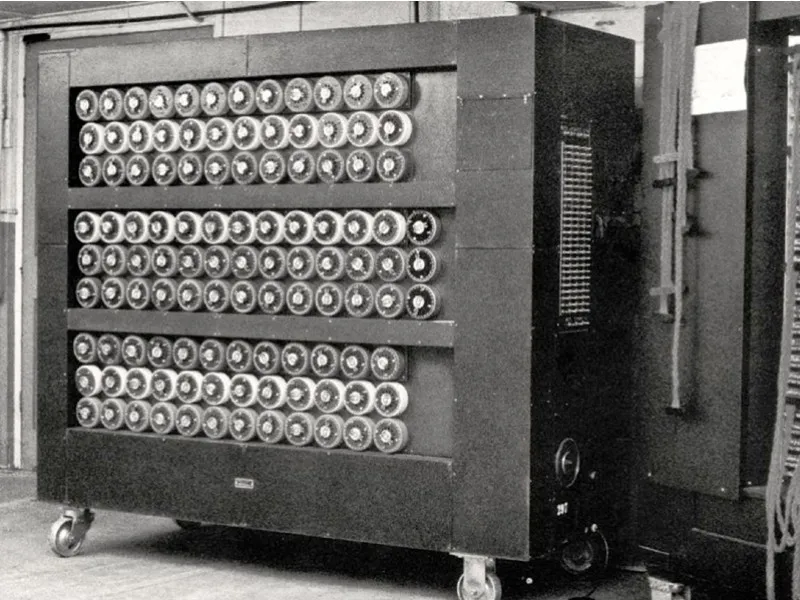
Alan Turing
•
Invented Bombe
•
Decode German Enigma
•
Turing Test
•
Formed basis for Artificial Intelligence
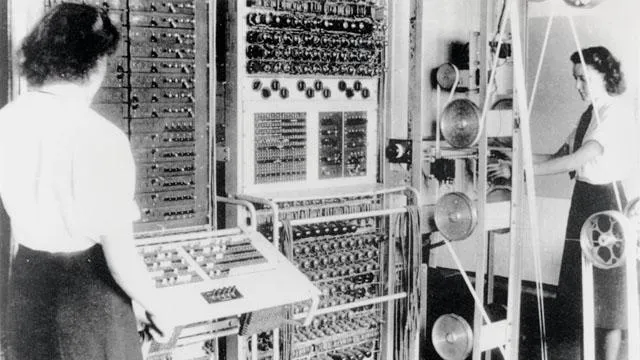
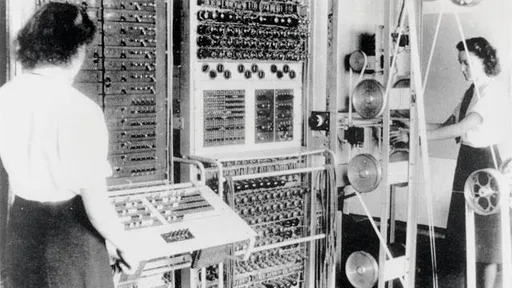
Thomas Harold Flowers
Designed and Built Colossus
The world’s first programmable, electronic, digital computer
2400 electronic valves
Decode wartime code messages
First Generation: 1940s-1950s
Main electronic component: Vacuum Tube (Valves)
Main memory: Magnetic drums and magnetic tapes
Input/Output devices: Punched cards and paper tape
Examples: ENIAC, UNIVAC1, IBM 650, IBM 701, etc.
Second Generation: 1950s-1960s
Main electronic component: Transistor
Main memory: Magnetic core and magnetic tape / disk
Input/Output devices: Punched cards and magnetic tape
Examples: IBM 1401, IBM 7090 and 7094, UNIVAC 1107, etc.
Third Generation: 1960s-1970s
Main electronic component: Integrated Circuits (ICs)
Main memory: Large magnetic core, magnetic tape / disk
Input/Output devices: Magnetic tape, keyboard, monitor, printer, etc.
Examples: IBM 360, IBM 370, PDP-11, UNIVAC 1108, etc.
Fourth Generation: 1970s-Present
Main electronic component: VLSI and Microprocessor
Main memory: Semiconductor Memory
Input/Output devices: Keyboard, monitor, printer, etc.
Examples: IBM PC, STAR 1000, APPLE II, Apple Macintosh, etc